
Drainage for Plants: Why It Matters in Coastal Landscaping
Improve drainage for plants and protect your coastal landscape from moisture damage. Elevate your 30A property with expert design from Coastal Creations.
Coastal Creations
12/3/20258 min read
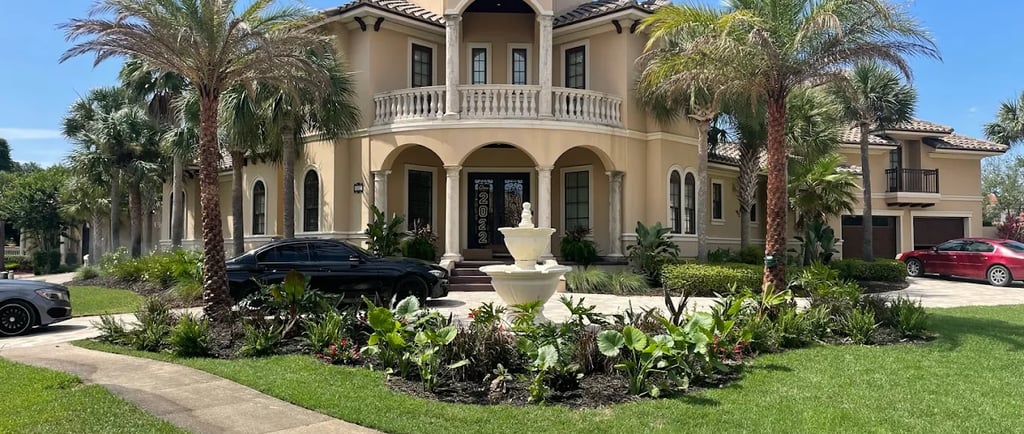
Strong drainage for plants is the backbone of any successful coastal landscape. It determines how well roots develop, how long plants live, and how resistant your property is to heavy rainfall, salt exposure and seasonal storms. On 30A, where sandy soil, high humidity and fast-changing weather collide, proper drainage becomes even more essential. Poor drainage doesn’t just stunt plant growth — it leads to root suffocation, nutrient loss, erosion, and major long-term landscape failures that cost wealthy coastal homeowners thousands.
For high-end properties across the Florida Panhandle, drainage must be engineered with precision, because every detail impacts plant health. Water must move where it’s supposed to go, at the right speed, through the right layers of soil. When drainage is designed intentionally, plants thrive with less maintenance, landscapes last longer and the entire property looks more refined.
We specialize in exactly that. We are Coastal Creations, a family-rooted luxury design and build landscaping team serving 30A and the Florida Panhandle. If you're ready to elevate your coastal landscape with systems built to last, explore our services and request a consultation.
Why Drainage For Plants Is Essential In Coastal Landscaping
Drainage for plants plays a huge role in how well coastal landscapes survive the intense conditions of the Florida Panhandle. With sudden downpours, high groundwater levels and sandy soils that behave unpredictably, plant roots face constant moisture swings. Without proper drainage, even the hardiest coastal plants become vulnerable to disease, decay and instability.
High-end landscapes on 30A must account for how moisture moves through property elevations, planting beds and root zones. When water is engineered to flow correctly — not too fast, not too slow — the entire landscape becomes healthier and more sustainable.
How Coastal Rainfall Patterns Impact Soil Saturation
Florida’s Gulf Coast can receive several inches of rain in a single afternoon. These bursts of rainfall quickly oversaturate the soil, especially in low-lying areas. Even sandy soil can turn into a waterlogged sponge when storms are strong and frequent. Luxury landscapes with mature palms, specimen trees and ornamental shrubs need drainage systems that prevent pooling, oxygen deprivation and suffocated roots.
The Role Of Sandy Soil In Water Movement
Sandy soil drains quickly, but that doesn’t mean it drains evenly. On many 30A properties, pockets of compacted sand or buried construction debris prevent deep percolation. The result? Surface water drains fast, but water gets trapped in hidden underground bowls. This inconsistency can lead to unpredictable root health problems that homeowners don’t notice until plants begin declining.
Why Coastal Homes Experience More Drainage Failures
Coastal environments create drainage challenges most inland landscapes never encounter. High groundwater, salt spray, elevation dips and storm-driven runoff cause areas to remain saturated long after rain stops. Homes built close to sea level also struggle with natural drainage. Professionally engineered grading and subsurface systems help prevent long-term issues.
How Soil Structure Affects Drainage For Plants
A plant's long-term health is determined by the soil beneath it. Drainage works only when the soil’s physical structure supports water movement, airflow and nutrient retention. In coastal regions, soil composition changes dramatically from one property to another, so drainage must be customized — not standardized.
Sand, Silt, Clay, And Their Behavior During Storms
Sand drains fast, silt drains slowly, and clay barely drains at all. Many coastal properties contain inconsistent mixtures of the three, influenced by construction backfill, erosion or imported soil. When heavy storms hit, these layers respond differently, creating a patchwork of drainage challenges. Understanding how each layer behaves is essential for designing proper drainage for plants.
Layering Issues That Create Hidden Drainage Problems
Many high-end homes along the Panhandle were built with fill dirt that creates water-trapping layers beneath the surface. Water seeps through the top layer quickly but stops when it hits dense, compacted material below. Plants sitting above these layers often struggle without clear symptoms, making diagnosis difficult. Proper soil preparation and testing prevents long-term failures.
[image]
How To Check Soil Drainage
Understanding how to check soil drainage empowers homeowners to identify problems before they become expensive landscape failures. A simple test can reveal more than you’d expect about how water interacts with your soil.
Simple At-Home Percolation Test
Dig an eight-inch hole, fill it with water and allow it to drain completely. Then, fill it again. Time how long the second fill takes to drain.
Less than two hours: fast-draining
Two to six hours: ideal drainage
More than six hours: poorly draining soil
This simple process reveals how well your soil supports healthy root systems.
Early Signs The Soil Isn't Draining Properly
Common warning signs include slow drainage after rain, soggy soil, foul-smelling planting areas, fungus growth and plants that wilt despite being watered correctly. Many of these symptoms align with root rot signs, a major issue in coastal landscapes.
When To Call A Professional For A Drainage Assessment
Complex properties or high-value landscapes should receive professional testing and evaluation. We assess slopes, buried materials, root conditions and water movement patterns to tailor solutions that protect long-term plant health. If a homeowner suspects deeper issues, a professional assessment is essential.
Common Drainage Problems And How To Prevent Them
Drainage issues often start small — yellowing leaves, slow growth — but rapidly escalate in coastal climates. Prevention requires understanding how excess moisture impacts roots and soil.
Root Rot Signs In Coastal Plants
Excess moisture suffocates roots, creating the perfect environment for fungi. Root rot signs include yellowing leaves, soft stems, darkened roots and foul odors in the soil. Root rot spreads quickly in warm, humid climates like 30A, where moisture lingers after storms. Early intervention prevents plant loss.
Overwatering And Soil Saturation Issues
Even sandy soil can remain soaked if a high water table rises during storms. Overwatering magnifies the problem. Smart irrigation systems that adjust to weather conditions are essential for luxury landscapes, ensuring plants receive water only when needed.
Planting Too Deep And Using Poor Soil
Planting too deep traps moisture around the crown, increasing the risk of rot. Imported soil blends that look rich but drain poorly can also cause long-term problems. Proper planting depth and soil composition are critical elements of healthy drainage for plants.
Drainage Mistakes That Harm Coastal Landscapes
Common mistakes include planting in low spots, ignoring slope direction, covering root flares with mulch, using impermeable hardscapes and relying only on sandy soil for drainage. Professional planning prevents these costly errors.
Palm Tree Drainage Requirements For 30A Properties
Palm trees are iconic along the Gulf Coast — but they are surprisingly vulnerable to moisture mismanagement. Proper palm tree drainage ensures their root systems remain healthy and stable.
Why Palm Tree Drainage Impacts Long-Term Health
Palms rely on a dense, fibrous root system that needs oxygen to stay strong. Excess moisture weakens these roots, increasing the risk of uprooting during storms. Drainage influences everything from stability to nutrient absorption.
Do Palm Trees Need Drainage In Coastal Soil?
Many homeowners assume native palms tolerate all moisture conditions, but do palm trees need drainage? Absolutely. Even salt-tolerant palm varieties decline in stagnant water. Proper planting height, soil mix and irrigation control prevent long-term damage.
Preventing Waterlogging Around Mature Palms
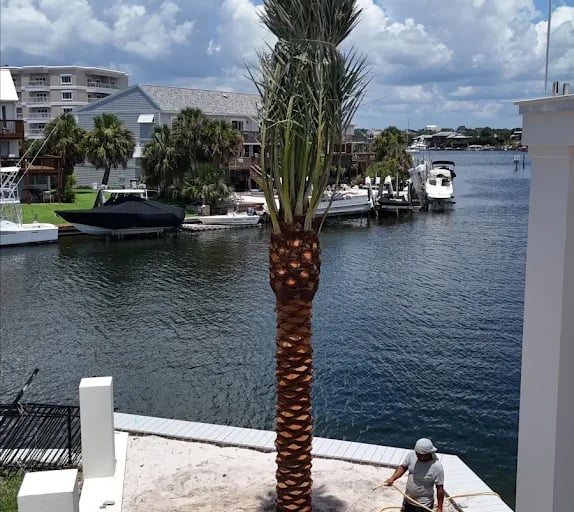
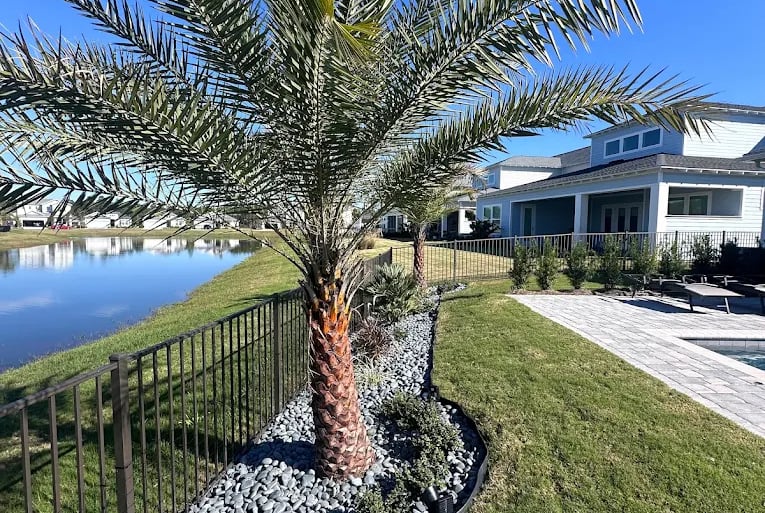
Elevating the root ball slightly, amending soil with well-draining materials and installing smart irrigation zones around palms help water move efficiently. Our team specializes in palm installation through our dedicated plant and palm installation service, ensuring long-term stability.
Designing Coastal Landscapes That Work With Plant Drainage
Creating a landscape that blends beauty and performance requires integrating plant drainage into the design. Thoughtful planning ensures plants thrive even in unpredictable coastal conditions.
Best Drainage-Loving Plants For 30A
Plants like clusia, podocarpus, agave, lantana, and certain palm species thrive in well-draining soils. These species remain healthy through heavy rain cycles and require minimal intervention.
Plants That Can Handle Occasional Moisture
Some plants tolerate wetter conditions in low-lying areas, such as muhly grass, certain ferns and select native grasses. These plants complement drainage-focused planting schemes.
Permeable Hardscapes And Runoff Control
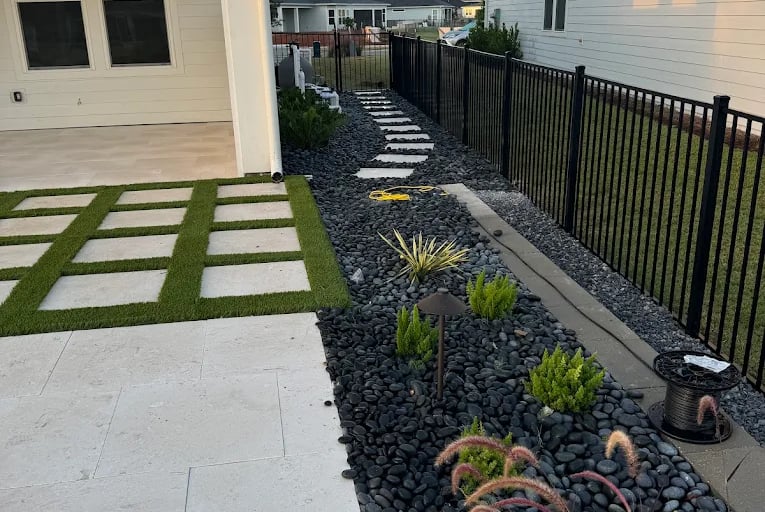
Permeable pavers, gravel paths and stepping stone designs allow water to move naturally through the ground instead of pooling. These materials support drainage while adding elegance to luxury coastal landscapes.
Dry Creek Beds And Aesthetic Stormwater Features
Dry creek beds aren’t just functional — they add texture, shape and natural beauty. They guide excess water away from plants, reducing erosion and supporting healthy drainage for plants year-round.
How To Improve Soil Drainage In Coastal Landscaping
Improving coastal soil is one of the most effective ways to enhance drainage for plants without replacing your entire landscape. High-end properties benefit from soil engineering that optimizes moisture flow while maintaining root stability and long-term plant health.
Soil Amendments And Organic Additives
Coastal soil often needs added structure. Organic materials such as pine fines, compost, biochar and perlite improve aeration and help water move evenly through the soil profile. Each amendment supports drainage differently — some increase pore space while others hold just enough moisture to keep roots hydrated. Homeowners looking for how to improve soil drainage should start with targeted soil amendments based on a professional evaluation.
Grading Solutions To Move Water Away From Structures
Proper grading ensures water flows away from foundations, outdoor living areas and planting beds. Micro-grading — subtle adjustments that aren’t visible but significantly alter water movement — plays a huge role in luxury landscaping. When water follows a controlled path, the surrounding plants stay healthier and the property remains safer during storms.
Hidden Drainage Systems For Luxury Landscapes
French drains, catch basins, trench systems and under-bed drainage solutions can be installed without altering your landscape’s visual appeal. These hidden systems allow water to move underground instead of pooling on the surface. We often integrate these into planting beds or around palm clusters to maintain peak performance.
Advanced Drainage Solutions For High-End Coastal Landscapes
Luxury coastal homes often require more than standard drainage fixes. Elevated architecture, expansive hardscapes and high-value plantings benefit from advanced systems that blend seamlessly into the landscape.
Subsurface Drainage Systems And French Drains
These systems collect excess water below the soil surface and move it efficiently away from planting zones. They are ideal for properties with slopes, low-elevation corners or large hardscape areas that generate runoff.
Bed-Level Drainage For High-Value Plants (Plant Drainage)
Specimen trees, statement palms and mature shrubs benefit from targeted plant drainage. Installing drainage tiles beneath planting beds protects roots from moisture buildup and reduces the risk of long-term decline. This type of system is essential for investment-level landscapes where plant health directly impacts property value.
Smart Irrigation And Moisture-Control Technologies
Irrigation plays a key role in supporting healthy drainage. Smart controllers adjust watering schedules based on rainfall, humidity and soil moisture levels. These systems prevent oversaturation and help maintain a healthy balance between hydration and aeration. Modern moisture sensors also identify hidden issues before they become costly.
Why High-End Properties Need Professional Drainage Design
Wealthy coastal homeowners often invest heavily in landscapes, but even the most beautiful design fails without a support system that manages moisture correctly. Professional drainage design protects those investments.
Protecting Expensive Plants And Hardscapes
Trees, palms, shrubs and premium hardscapes experience rapid deterioration when exposed to constant moisture. Root decay, settling, erosion and structural instability often stem from drainage failures. Engineering proper drainage for plants ensures the landscape matures beautifully instead of struggling from the start.
Engineering Multi-Layered Coastal Landscapes
Elevated beds, terraced designs and layered plantings require precise water flow management. Professional grading and drainage planning ensure that water moves through each level as intended. Without these systems, even the most polished landscape becomes vulnerable to washouts, fungus and erosion.
How Expert Drainage Design Prevents Long-Term Failures
A well-engineered drainage plan can add decades to a landscape’s lifespan. It prevents issues like standing water, root suffocation, fungal outbreaks and structural damage. Homeowners who value low-maintenance luxury landscaping benefit immensely from systems designed to support long-term plant health.
Transform Your 30A Landscape With Coastal Creations
Effective drainage for plants is one of the most important investments you can make in a coastal property. When your landscape is engineered to handle moisture correctly, everything becomes easier — plant health improves, maintenance drops and your outdoor spaces look better year-round. Servicing all across the Florida Panhandle, we specialize in building landscapes that perform beautifully in Florida’s coastal climate using deep expertise, premium materials and precision installation.
If you’re ready to elevate your outdoor environment, explore our services, palm installation, and drainage solutions. Get started by contacting us to learn more about who we are and what we can do for you. For ongoing inspiration and project showcases, follow us on our social media. Coastal Creations is here to help your 30A landscape thrive.


'No mobile information will be shared with third parties/affiliates for marketing/promotional purposes. All the above categories exclude text messaging originator opt-in data and consent; this information will not be shared with any third parties